
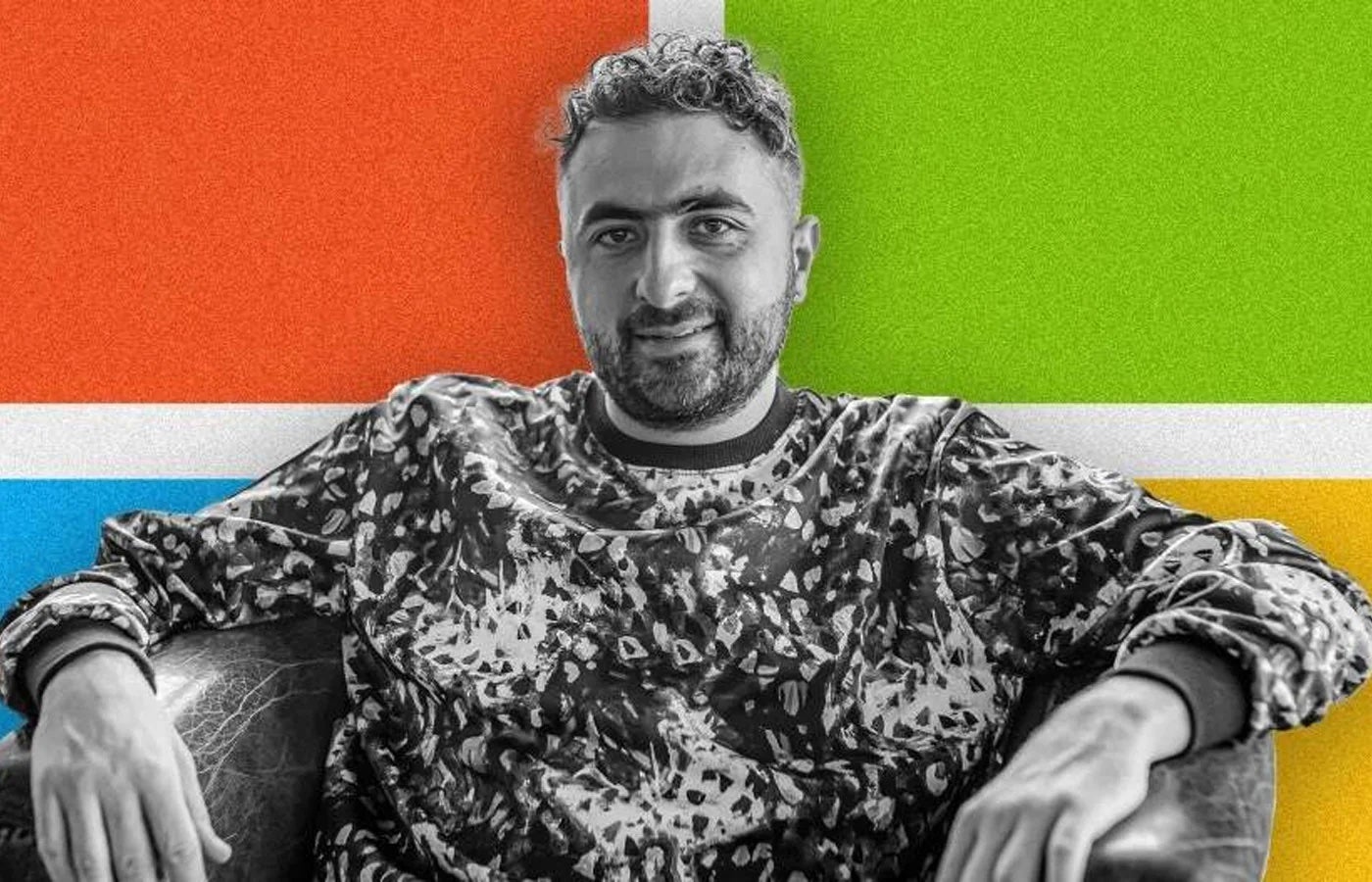
At a time when tech giants are racing to construct essentially the most highly effective AI fashions on the planet, Microsoft is selecting a special lane — one which’s slightly slower however probably smarter.
Mustafa Suleyman, Microsoft’s CEO of AI, says the corporate isn’t in a rush to guide the frontier of AI improvement; as a substitute, it’s deliberately selecting to lag a couple of months behind leaders like OpenAI. That may sound like a setback, however Suleyman says it’s a strategic transfer that might give Microsoft an edge.
“It’s cheaper to provide a particular reply when you’ve waited for the primary three or six months for the frontier to go first. We name that off-frontier,” Suleyman stated in a latest interview with CNBC. “That’s really our technique — to essentially play a really tight second, given the capital-intensiveness of those fashions.”
A brand new chapter in Microsoft’s AI playbook
The feedback come as Microsoft celebrates its fiftieth anniversary, throughout which it introduced a number of new options to its AI assistant Copilot. These embody Copilot Imaginative and prescient, Deep Analysis, and a brand new “Reminiscence” function that remembers particulars about customers to personalize responses — a functionality beforehand launched by OpenAI’s ChatGPT.
Microsoft’s AI programs, together with Copilot, are closely powered by OpenAI’s fashions. The tech big has invested almost $14 billion within the San Francisco startup, making it a key associate in Microsoft’s AI journey. However Suleyman additionally made it clear that Microsoft is steadily working towards self-sufficiency.
“Lengthy-term, it’s completely mission-critical that we’re capable of do AI self-sufficiently at Microsoft,” he stated. “Till 2030 not less than, we’re deeply partnered with OpenAI, who’ve had an enormously profitable relationship with us.”
That long-term view displays Suleyman’s broader technique. Whereas the corporate nonetheless depends on OpenAI for giant fashions like GPT-4, it’s additionally growing its personal smaller, open-source fashions beneath the Phi undertaking. These fashions are designed to run on private computer systems quite than huge GPU clusters, making them extra accessible and cost-effective to deploy.
DOWNLOAD This IT Chief’s Information to Generative AI From TechRepublic Premium
Cracks within the Microsoft-OpenAI partnership?
The shut ties between Microsoft and OpenAI have began to point out some pressure. Final yr, Microsoft quietly added OpenAI to its checklist of opponents. And in January, OpenAI shocked many by teaming up with Oracle on its $500 billion Stargate undertaking — a transfer that ended Microsoft’s unique standing as OpenAI’s cloud supplier.
Additional escalating tensions, OpenAI’s newest GPT fashions have reportedly raised issues inside Microsoft over efficiency and value. Trade insiders imagine Microsoft has already begun growing its personal frontier fashions, and a few observers, together with Salesforce CEO Marc Benioff, imagine Microsoft is already shifting to face by itself two toes.
The larger image
Microsoft will not be chasing the AI crown, but it surely’s nonetheless enjoying an extended recreation. With a robust AI workforce, deep investments in infrastructure, and a broad buyer base, it doesn’t want to guide the race to win it.
By staying simply behind the bleeding edge, the corporate hopes to keep away from pricey errors and supply extra secure, dependable options to real-world issues.
“Now we have an extremely robust AI workforce, enormous quantities of compute, and it’s crucial to us that, you recognize, perhaps we don’t develop absolutely the frontier, the perfect mannequin on this planet first,” he stated. “That’s very, very costly to do and pointless to trigger that duplication.”